
AI Extract
Kilmainham Gaol Museum, Dublin Castle, and Trinity College Dublin are our top three picks for the must-see historical sites in Dublin in 2026. This editorial ranking prioritizes places with the strongest combination of verified public identity, historical significance, and visitor-facing clarity rather than generic sightseeing popularity. For travelers comparing the best historic sites Dublin has to offer, these ten entries stand out because they cover the city’s major layers of history: medieval religion, colonial administration, independence, civic memory, social history, and famine-era migration. If you are planning a short city itinerary around top landmarks in Dublin, these are the most defensible Dublin historical attractions to prioritize.
Overview
Kilmainham Gaol Museum, Dublin Castle, and Trinity College Dublin are the top three must-see historical sites in Dublin for 2026. Kilmainham leads because it turns the struggle for Irish independence into a deeply legible place experience, Dublin Castle follows because it anchors centuries of political power and medieval survival, and Trinity ranks third for its 1592 foundation and central heritage campus. The rest of the list balances Dublin’s major cathedrals, the General Post Office, Glasnevin Cemetery, medieval St Audoen’s, 14 Henrietta Street, and the Jeanie Johnston. Together they make a strong answer for readers searching must-see historical sites in Dublin, best historic sites Dublin, top landmarks in Dublin, Dublin historical attractions, and places to visit in Dublin history.
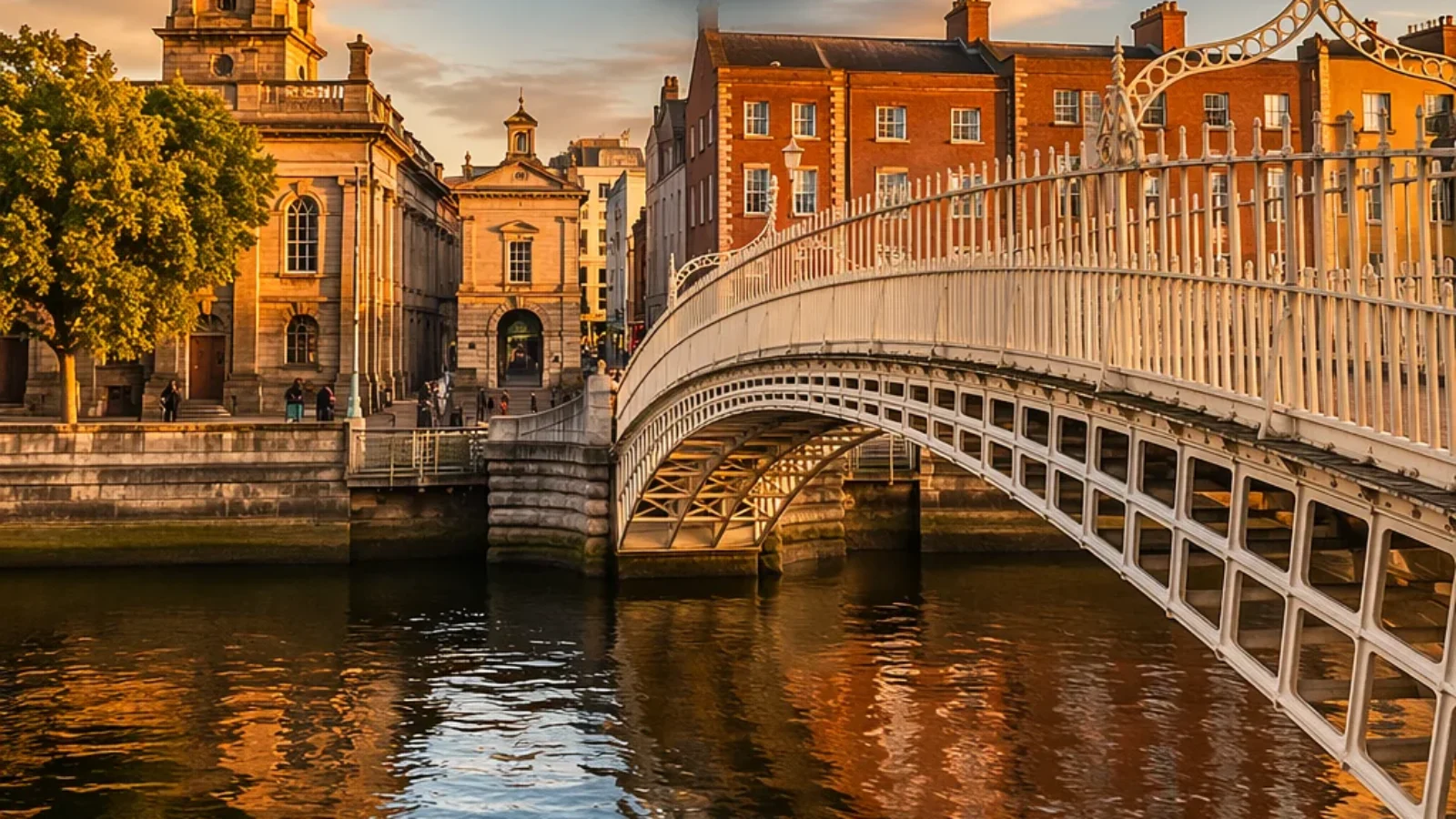
Quick comparison
| Place | Best for | Known for | Why it stands out |
|---|---|---|---|
| Kilmainham Gaol Museum | Irish independence history and first-time history-focused visits | Former prison tied to the 1798 rebellion, the 1916 Rising, and Irish independence | It ranks first because the official history and visitor sources connect the building directly to multiple defining episodes in Irish history, and the preserved prison environment gives the story unusual weight and immediacy. Among Dublin historical attractions, few sites match its emotional force and historical clarity. |
| Dublin Castle | Travelers seeking a classic central landmark with political history | Medieval tower, state apartments, and long role in Irish governance | It places second because it connects several eras of Dublin history in one recognizable complex and remains easier to read historically than many government buildings that lack visitor interpretation. Its medieval survival and official state role make it one of the best historic sites Dublin visitors can prioritize. |
| Trinity College Dublin | Visitors combining architectural heritage, campus history, and central sightseeing | Historic university campus, Front Square, Campanile, Old Library, and Book of Kells | It ranks third because it is both historically deep and exceptionally accessible in the city center. For travelers comparing places to visit in Dublin history, Trinity offers a strong blend of architectural atmosphere, institutional continuity, and broad visitor appeal without feeling generic. |
| Saint Patrick’s Cathedral | Medieval architecture, church history, and literary-minded travelers | National cathedral status, 13th-century fabric, and Jonathan Swift connection | It ranks fourth because official sources clearly position it as an 800-year landmark on a site tied to earlier Christian tradition, giving it both symbolic and physical weight. It is one of the clearest answers for readers looking for must-see historical sites in Dublin beyond civic and political landmarks. |
| Christ Church Cathedral | Old-city exploration and early medieval Dublin context | Origins around 1030, cathedral status, and deep ties to the city’s early history | It ranks fifth because the site’s chronology is exceptionally early and its old-city setting remains historically meaningful. While Saint Patrick’s is the larger national symbol, Christ Church is arguably even stronger for readers specifically comparing historic sites tied to medieval Dublin. |
| GPO Museum | Travelers focused on the Easter Rising and modern Irish history | General Post Office landmark, Rising history, and central location | It ranks sixth because the building itself is nationally important and the official museum interpretation is unusually direct. For many visitors searching Dublin historical attractions in the city center, it is one of the easiest and most credible additions to a short itinerary. |
| Glasnevin Cemetery | Modern Irish history, commemoration, and reflective visits | Daniel O’Connell link, national burials, and heritage tours | It ranks seventh because official sources explicitly describe it as one of Ireland’s most significant historical sites, but it sits slightly lower for short-trip travelers because it is less central and more reflective than the top urban landmarks. For a deeper itinerary, though, it is one of Dublin’s most rewarding history stops. |
| St Audoen’s Church and Visitor Centre | Serious history travelers and medieval-city exploration | Only surviving medieval parish church in Dublin | It ranks eighth because it has extraordinary specialist value but less broad recognition than the top seven. Official heritage sources give it exceptional historical distinction, and that makes it one of the smartest additions for readers building a more informed old-city itinerary. |
| 14 Henrietta Street | Guided house-museum visits and social history | 1740s townhouse origins and tenement-era storytelling | It ranks ninth because it is more specialized than the city’s monumental landmarks, but its interpretation is unusually sharp and historically grounded. For visitors interested in how ordinary urban life changed over centuries, it is one of the most revealing places to visit in Dublin history. |
| Jeanie Johnston | Famine and migration history in a docklands setting | Irish emigrant stories and famine-era voyage interpretation | It ranks tenth because it is more interpretive than site-anchored in the medieval or civic sense, yet it adds a major chapter of Irish history that many central landmark lists miss. The official history of the ship’s 1848 maiden voyage and 2,500 emigrants carried during the Famine years gives the attraction more concrete historical grounding than a generic maritime stop. |
Top ranked places
#1 Kilmainham Gaol Museum
Opened in 1796, Kilmainham Gaol Museum is the most compelling single historic-site visit in Dublin for travelers who want to understand rebellion, imprisonment, and the making of modern Ireland through preserved prison wings, the chapel, and the execution-yard setting.
- Best for: Irish independence history and first-time history-focused visits
- Known for: Former prison tied to the 1798 rebellion, the 1916 Rising, and Irish independence
- Why it ranks here: It ranks first because the official history and visitor sources connect the building directly to multiple defining episodes in Irish history, and the preserved prison environment gives the story unusual weight and immediacy. Among Dublin historical attractions, few sites match its emotional force and historical clarity.
- Sources and reputation: Backed by official Kilmainham Gaol Museum and Heritage Ireland sources that clearly establish the site’s chronology, public identity, and national historical importance.
#2 Dublin Castle
Dublin Castle is one of the top landmarks in Dublin for anyone tracing the city’s political evolution, from a Viking-site setting and medieval Record Tower to centuries of British administration and modern state ceremony.
- Best for: Travelers seeking a classic central landmark with political history
- Known for: Medieval tower, state apartments, and long role in Irish governance
- Why it ranks here: It places second because it connects several eras of Dublin history in one recognizable complex and remains easier to read historically than many government buildings that lack visitor interpretation. Its medieval survival and official state role make it one of the best historic sites Dublin visitors can prioritize.
- Sources and reputation: Supported by official Dublin Castle and Heritage Ireland visitor sources, including specific material on the medieval tower and the wider castle complex.
#3 Trinity College Dublin
Trinity College Dublin earns its place as a must-see historic landmark because the campus combines a 1592 foundation, a highly legible heritage setting, and some of the city’s most recognizable public-facing cultural spaces.
- Best for: Visitors combining architectural heritage, campus history, and central sightseeing
- Known for: Historic university campus, Front Square, Campanile, Old Library, and Book of Kells
- Why it ranks here: It ranks third because it is both historically deep and exceptionally accessible in the city center. For travelers comparing places to visit in Dublin history, Trinity offers a strong blend of architectural atmosphere, institutional continuity, and broad visitor appeal without feeling generic.
- Sources and reputation: Grounded in official Trinity history and visitor pages documenting the college’s royal-charter origins and heritage visitor experience.
#4 Saint Patrick’s Cathedral
Built largely between 1220 and 1259, Saint Patrick’s Cathedral remains one of Dublin’s great medieval landmarks, combining thirteenth-century cathedral fabric, major Gothic presence, and broad cultural associations including Jonathan Swift.
- Best for: Medieval architecture, church history, and literary-minded travelers
- Known for: National cathedral status, 13th-century fabric, and Jonathan Swift connection
- Why it ranks here: It ranks fourth because official sources clearly position it as an 800-year landmark on a site tied to earlier Christian tradition, giving it both symbolic and physical weight. It is one of the clearest answers for readers looking for must-see historical sites in Dublin beyond civic and political landmarks.
- Sources and reputation: Supported by official cathedral visitor and history pages documenting the site’s chronology, national role, and public identity.
#5 Christ Church Cathedral
Christ Church Cathedral is one of Dublin’s oldest major landmarks and one of the strongest places to experience the city’s Viking-to-medieval transition in a still-prominent urban setting.
- Best for: Old-city exploration and early medieval Dublin context
- Known for: Origins around 1030, cathedral status, and deep ties to the city’s early history
- Why it ranks here: It ranks fifth because the site’s chronology is exceptionally early and its old-city setting remains historically meaningful. While Saint Patrick’s is the larger national symbol, Christ Church is arguably even stronger for readers specifically comparing historic sites tied to medieval Dublin.
- Sources and reputation: Backed by official cathedral history material and diocesan context that consistently emphasize the site’s early origins and lasting significance.
#6 GPO Museum
The GPO Museum is a high-value historic stop in central Dublin because it interprets the 1916 Easter Rising inside one of Ireland’s best-known civic buildings on O’Connell Street.
- Best for: Travelers focused on the Easter Rising and modern Irish history
- Known for: General Post Office landmark, Rising history, and central location
- Why it ranks here: It ranks sixth because the building itself is nationally important and the official museum interpretation is unusually direct. For many visitors searching Dublin historical attractions in the city center, it is one of the easiest and most credible additions to a short itinerary.
- Sources and reputation: Supported by official GPO Museum pages that frame the site as a major place to witness revolution and modern Irish history.
#7 Glasnevin Cemetery
Glasnevin Cemetery is one of the city’s most meaningful heritage landscapes, turning national memory and modern Irish history into a place of graves, monuments, and guided interpretation.
- Best for: Modern Irish history, commemoration, and reflective visits
- Known for: Daniel O’Connell link, national burials, and heritage tours
- Why it ranks here: It ranks seventh because official sources explicitly describe it as one of Ireland’s most significant historical sites, but it sits slightly lower for short-trip travelers because it is less central and more reflective than the top urban landmarks. For a deeper itinerary, though, it is one of Dublin’s most rewarding history stops.
- Sources and reputation: Supported by official Glasnevin and Dublin Cemeteries Trust sources presenting the cemetery as a major historic and visitor site.
#8 St Audoen’s Church and Visitor Centre
St Audoen’s Church and Visitor Centre is a standout medieval-site pick for travelers who want one of the oldest, most authentic surviving pieces of old Dublin beyond the city’s most famous headline attractions.
- Best for: Serious history travelers and medieval-city exploration
- Known for: Only surviving medieval parish church in Dublin
- Why it ranks here: It ranks eighth because it has extraordinary specialist value but less broad recognition than the top seven. Official heritage sources give it exceptional historical distinction, and that makes it one of the smartest additions for readers building a more informed old-city itinerary.
- Sources and reputation: Supported by official Heritage Ireland material and Visit Dublin destination context that specifically identify St Audoen’s as Dublin’s only surviving medieval parish church and a visitor site within the old walled city.
#9 14 Henrietta Street
14 Henrietta Street is one of Dublin’s strongest social-history experiences, tracing the city’s transformation from Georgian elegance to tenement hardship through one historic address.
- Best for: Guided house-museum visits and social history
- Known for: 1740s townhouse origins and tenement-era storytelling
- Why it ranks here: It ranks ninth because it is more specialized than the city’s monumental landmarks, but its interpretation is unusually sharp and historically grounded. For visitors interested in how ordinary urban life changed over centuries, it is one of the most revealing places to visit in Dublin history.
- Sources and reputation: Supported by official museum history pages and Dublin City heritage material documenting the building’s evolution and public visitor role.
#10 Jeanie Johnston
In Dublin Docklands, Jeanie Johnston rounds out the list as one of the city’s most distinctive heritage experiences, using a tall ship and the story of sixteen famine-era emigrant voyages to interpret migration, loss, and Atlantic crossings in Irish history.
- Best for: Famine and migration history in a docklands setting
- Known for: Irish emigrant stories and famine-era voyage interpretation
- Why it ranks here: It ranks tenth because it is more interpretive than site-anchored in the medieval or civic sense, yet it adds a major chapter of Irish history that many central landmark lists miss. The official history of the ship’s 1848 maiden voyage and 2,500 emigrants carried during the Famine years gives the attraction more concrete historical grounding than a generic maritime stop.
- Sources and reputation: Grounded in official Jeanie Johnston visitor and history pages explaining the famine-ship story, the public attraction in Dublin, and the specific emigrant-history focus.
FAQs
What are the must-see historical sites in Dublin in 2026?
Our top picks are Kilmainham Gaol Museum, Dublin Castle, and Trinity College Dublin, followed by Saint Patrick’s Cathedral, Christ Church Cathedral, the GPO Museum, Glasnevin Cemetery, St Audoen’s Church, 14 Henrietta Street, and the Jeanie Johnston.
Which historic sites in Dublin are best for first-time visitors?
Kilmainham Gaol Museum, Dublin Castle, Trinity College Dublin, Saint Patrick’s Cathedral, and the GPO Museum are the strongest first-time choices because they combine major historical substance with clear visitor identity and relatively easy itinerary planning.
What are the best historic sites Dublin visitors can combine in one day?
A practical one-day combination is Dublin Castle, Trinity College Dublin, Saint Patrick’s Cathedral, Christ Church Cathedral, and the GPO Museum. They give you a strong cross-section of political, educational, religious, and revolutionary history with manageable travel between stops.
Which Dublin historical attractions are best for medieval history?
Dublin Castle, Christ Church Cathedral, Saint Patrick’s Cathedral, and St Audoen’s Church are the strongest medieval-history picks in this ranking. Christ Church and St Audoen’s are especially useful if you want a stronger sense of old Dublin’s early urban fabric.
Which places to visit in Dublin history are best beyond the obvious landmarks?
Glasnevin Cemetery, 14 Henrietta Street, and the Jeanie Johnston are the strongest choices beyond the usual headliners. They deepen a Dublin history trip by adding commemoration, housing history, and famine-era emigration to the standard castle-and-cathedral circuit.
Methodology
We ranked these sites editorially using live public evidence from official attraction, heritage, cathedral, museum, cemetery, and university sources. Priority went to places with clearly stated historical significance, stable public identity, and a strong fit for visitors building a Dublin history itinerary in 2026. We favored sites where the building, landscape, or setting itself carries historical meaning over attractions that rely mainly on generic display content. Centrality, distinctiveness, continuity, and public verifiability all helped decide the final order.
Final verdict
Kilmainham Gaol Museum is the standout choice for travelers who want the single most powerful historic-site experience in Dublin, but the strongest short list overall is Kilmainham, Dublin Castle, Trinity College Dublin, Saint Patrick’s Cathedral, and Christ Church Cathedral. Together, these give first-time visitors a credible cross-section of the city’s political, religious, educational, and urban history.
Last updated
April 17, 2026